
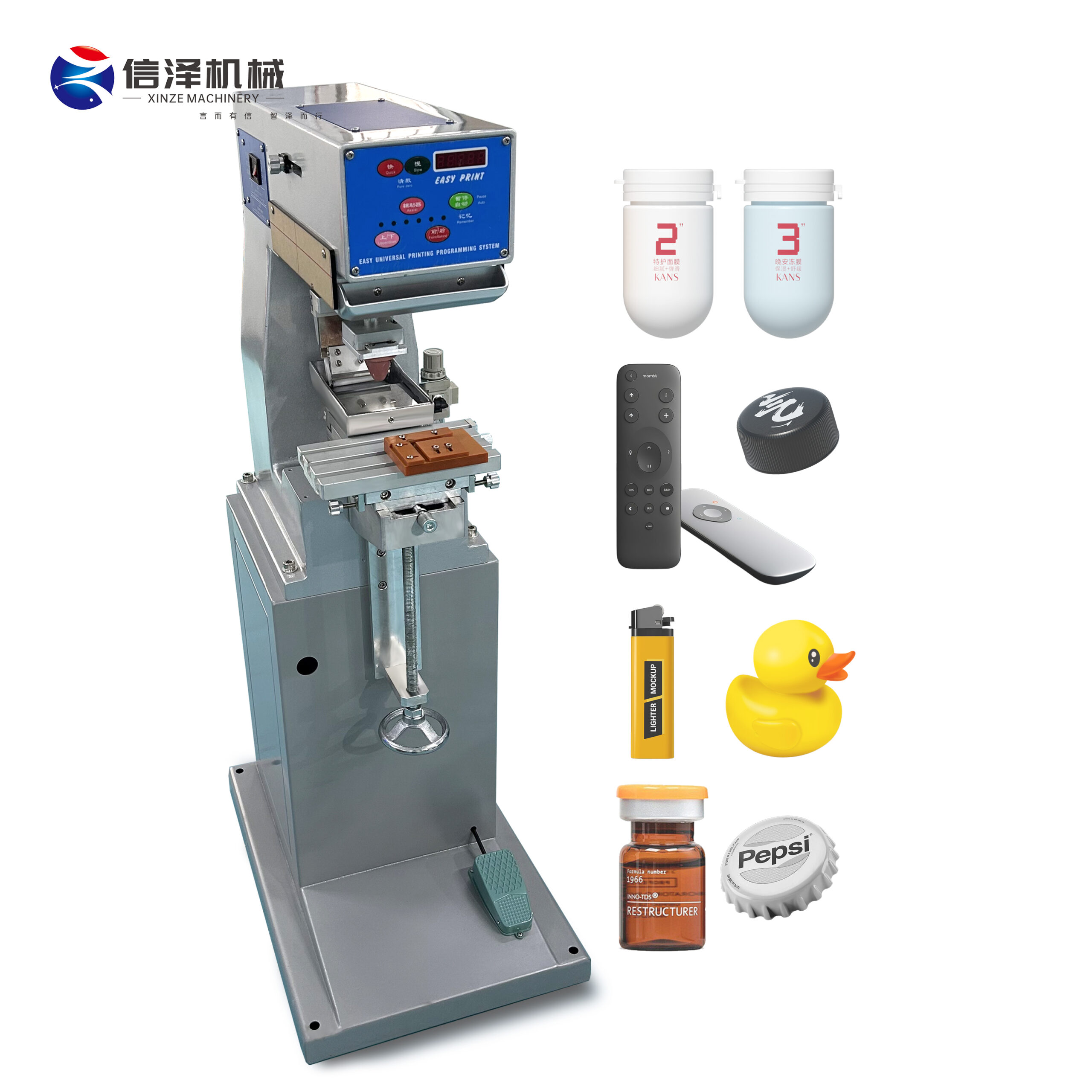
আধুনিক উৎপাদনে, পণ্যের চেহারা প্রায়ই প্রভাবিত করে কিভাবে গ্রাহকরা একটি ব্র্যান্ডকে চিনতে এবং মনে রাখে. বোতলের ক্যাপ এবং খেলনা থেকে শুরু করে ইলেকট্রনিক আনুষাঙ্গিক এবং প্রচারমূলক পণ্য, পরিষ্কার লোগো প্রিন্টিং পণ্য সমাপ্তির একটি অপরিহার্য অংশ হয়ে উঠেছে. প্যাড প্রিন্টিং সরঞ্জাম উৎপাদন দক্ষতা না কমিয়ে বিভিন্ন উপকরণ এবং অনিয়মিত সারফেস জুড়ে সামঞ্জস্যপূর্ণ ব্র্যান্ডিং অর্জনে প্রস্তুতকারকদের সাহায্য করার ক্ষেত্রে গুরুত্বপূর্ণ ভূমিকা পালন করে.
ছোট উপাদান পরিচালনার কারখানা জন্য, বাঁকা পণ্য, বা মাল্টি-মেটেরিয়াল অ্যাপ্লিকেশন, সঠিক মুদ্রণ সমাধান নির্বাচন করা আর শুধুমাত্র কালি স্থানান্তর সম্পর্কে নয়. স্থিতিশীলতা, মুদ্রণ স্বচ্ছতা, অটোমেশন বৈশিষ্ট্য, এবং রক্ষণাবেক্ষণের প্রয়োজনীয়তা সরাসরি উত্পাদন খরচ এবং বিতরণ সময়সূচী প্রভাবিত করে. এখানেই দীর্ঘমেয়াদী শিল্প ব্যবহারের জন্য ডিজাইন করা নির্ভরযোগ্য মুদ্রণযন্ত্রের মাধ্যমে সিনজার মনোযোগ আকর্ষণ করেছে.
কেন ঐতিহ্যগত মুদ্রণ পদ্ধতি ছোট পণ্য সঙ্গে সংগ্রাম
অনেক নির্মাতারা এখনও মৌলিক ম্যানুয়াল প্রিন্টিং সিস্টেম বা পুরানো চিহ্নিত সরঞ্জামের উপর নির্ভর করে. যদিও এই পদ্ধতিগুলি সমতল পৃষ্ঠের জন্য কাজ করতে পারে, অসম বা বাঁকা পণ্যগুলিতে মুদ্রণ করার সময় তারা প্রায়ই সমস্যা তৈরি করে.
সাধারণ উত্পাদন সমস্যা অন্তর্ভুক্ত:
-
- বাঁকা আইটেমগুলিতে অস্পষ্ট লোগো
- অসম কালি স্থানান্তর
- ঘন ঘন ম্যানুয়াল সমন্বয়
- ধীর উত্পাদন গতি
- উচ্চ অপারেটর নির্ভরতা
- কঠিন ফিক্সচার প্রান্তিককরণ
- অত্যধিক কালি অবশিষ্টাংশ পরিষ্কার
গলফ বলের মতো পণ্য, হেলমেট, লাইটার, বোতল ক্যাপ, এবং প্লাস্টিকের লাঞ্চ বক্স মুদ্রণের সময় সুনির্দিষ্ট অবস্থান প্রয়োজন. এমনকি সামান্য আন্দোলন লোগো সঠিকতা প্রভাবিত করতে পারে.
প্যাড প্রিন্টিং একটি সিলিকন প্যাড স্থানান্তর প্রক্রিয়ার মাধ্যমে এই চ্যালেঞ্জটি সমাধান করে যা ফ্ল্যাট-স্ক্রিন পদ্ধতির চেয়ে বাঁকা এবং টেক্সচারযুক্ত পৃষ্ঠগুলিতে আরও কার্যকরভাবে খাপ খায়.
কি আধুনিক প্যাড মুদ্রণ সরঞ্জাম আরো দক্ষ করে তোলে
আজকের নির্মাতারা সাধারণ লোগো মুদ্রণের চেয়ে বেশি আশা করে. উত্পাদন লাইনগুলি এমন মেশিনের চাহিদা দেয় যা ডাউনটাইম হ্রাস করে, সামঞ্জস্য উন্নত, এবং অপারেশন সহজ করা.
সামঞ্জস্যপূর্ণ ফলাফলের জন্য স্থিতিশীল কালি স্থানান্তর
লোগো মুদ্রণের সময় সবচেয়ে বড় উদ্বেগের মধ্যে একটি হল দীর্ঘ উত্পাদন চালানোর পরে চিত্রের স্বচ্ছতা বজায় রাখা. দুর্বল কালি স্থানান্তর বিবর্ণ প্রান্ত বা অসম্পূর্ণ নিদর্শন তৈরি করতে পারে.
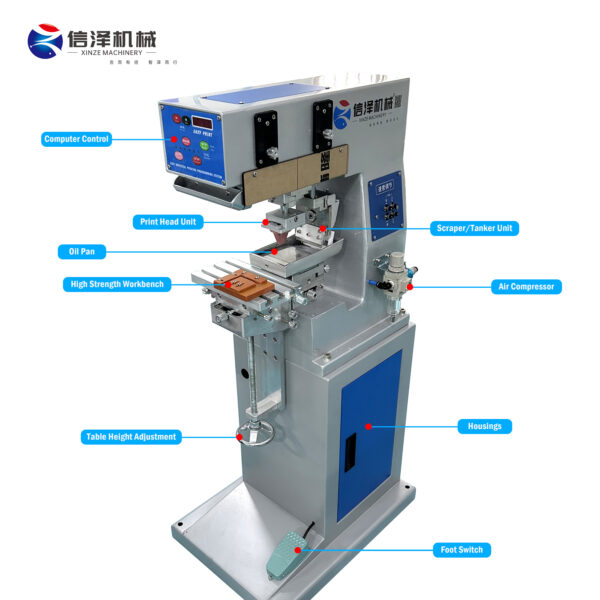
XZ-PA-1C সুনির্দিষ্ট পজিশনিং কন্ট্রোল ব্যবহার করে যা অপারেটরদের ফিক্সচার প্লেসমেন্ট সূক্ষ্ম-টিউন করতে দেয়:
- বাম-ডান সমন্বয়
- সামনে পিছনে সমন্বয়
- স্থিতিশীল রাবার মাথা আন্দোলন
- নিয়ন্ত্রিত কালি পিকআপ
এটি পুনরাবৃত্তি উত্পাদন চক্র জুড়ে পরিষ্কার লোগো প্রান্ত বজায় রাখতে সাহায্য করে.
জটিল অপারেশন ছাড়াই দ্রুত আউটপুট
বড় পরিমাণে ছোট পণ্য পরিচালনা করার সময় উত্পাদন দক্ষতা গুরুত্বপূর্ণ. কিছু প্রিন্টিং সিস্টেম পরিচালনা করা কঠিন হয়ে পড়ে কারণ অপারেটরদের অবশ্যই ক্রমাগত পরিষ্কার বা পুনঃক্রমিককরণের জন্য মেশিন বন্ধ করতে হবে.
সিনজারের মেশিন এমন বৈশিষ্ট্যগুলিকে একীভূত করে যা অপ্রয়োজনীয় বাধা কমায়:
-
- স্বয়ংক্রিয় রাবার মাথা পরিষ্কার
- টাচ-স্ক্রিন নিয়ন্ত্রণ ব্যবস্থা
- সরলীকৃত অপারেশন ইন্টারফেস
- বায়ুসংক্রান্ত ড্রাইভ স্থায়িত্ব
একটি মুদ্রণ গতি সঙ্গে 800 থেকে 1200 প্রতি ঘন্টায় টুকরা, ম্যানুয়াল হস্তক্ষেপ হ্রাস করার সময় নির্মাতারা স্থির আউটপুট বজায় রাখতে পারে.
টেকসই উপাদান দীর্ঘমেয়াদী রক্ষণাবেক্ষণ হ্রাস
নিম্নমানের মুদ্রণ সরঞ্জাম প্রায়ই উপাদান পরিধান এবং অস্থির কর্মক্ষমতা মাধ্যমে লুকানো খরচ তৈরি করে. ঘন ঘন মেরামত উত্পাদন সময়সূচী ব্যাহত করতে পারে এবং অপারেটিং খরচ বাড়াতে পারে.
XZ-PA-1C সহ টেকসই শিল্প উপাদান ব্যবহার করে:
-
- পেশাদার টাচ-স্ক্রিন প্যানেল
- নির্ভরযোগ্য বায়ু উত্স প্রসেসর
- দীর্ঘ জীবন প্যাড প্রিন্টিং মাথা
- স্থিতিশীল বায়ুসংক্রান্ত সিস্টেম
সামঞ্জস্যপূর্ণ দৈনিক অপারেশন সমর্থন করার সময় এটি মেশিনের জীবনকাল উন্নত করে.
অ্যাপ্লিকেশন যেখানে প্যাড প্রিন্টিং সরঞ্জাম সর্বোত্তম কার্য সম্পাদন করে
প্যাড প্রিন্টিং জনপ্রিয় রয়ে গেছে কারণ এটি একাধিক শিল্প এবং উপকরণ জুড়ে কাজ করে. সমতল পৃষ্ঠের মধ্যে সীমাবদ্ধ কিছু মুদ্রণ পদ্ধতির বিপরীতে, সিলিকন প্যাড স্থানান্তর প্রযুক্তি অনিয়মিত আকারের সাথে ভালভাবে মানিয়ে নেয়.
ভোক্তা পণ্য ব্র্যান্ডিং
অনেক ভোক্তা পণ্যের সীমিত জায়গায় কমপ্যাক্ট লোগো বা আলংকারিক মুদ্রণ প্রয়োজন.
সাধারণ অ্যাপ্লিকেশন অন্তর্ভুক্ত:
-
- রিমোট কন্ট্রোল
- বৈদ্যুতিক টুথব্রাশ
- ছোট ভক্ত
- লাঞ্চ বক্স
- পিল বাক্স
- হেয়ার ড্রায়ার
মেশিনটি মুদ্রণ সমর্থন করে:
-
- প্লাস্টিক
- গ্লাস
- স্টেইনলেস স্টীল
- সিরামিক
- ধাতু
প্রচারমূলক এবং খেলনা উত্পাদন
খেলনা নির্মাতাদের প্রায়ই রঙিন পৃষ্ঠ এবং অনিয়মিত আকারে দ্রুত লোগো প্রয়োগের প্রয়োজন হয়.
সাধারণ উদাহরণ অন্তর্ভুক্ত:
-
- বিল্ডিং ব্লক
- বাচ্চাদের খেলনা
- প্রচারমূলক উপহার
- গলফ বল
- বেসবল
স্থিতিশীল অবস্থান ব্যবস্থা এমনকি গোলাকার পৃষ্ঠগুলিতেও লোগোর সামঞ্জস্য বজায় রাখতে সহায়তা করে.
প্যাকেজিং এবং ক্যাপ প্রিন্টিং
বোতল ক্যাপ প্রিন্টিং এর জন্য নির্ভুলতা প্রয়োজন কারণ লোগো অবশ্যই উচ্চ-ভলিউম উৎপাদনের সময় কেন্দ্রীভূত থাকবে.
প্যাড প্রিন্টিং সরঞ্জাম প্যাকেজিং নির্মাতারা অর্জন করতে সাহায্য করে:
-
- ধারালো ট্রেডমার্ক মুদ্রণ
- ভাল লোগো প্রান্তিককরণ
- দ্রুত চক্র বার
- কালি বর্জ্য হ্রাস
মূল বৈশিষ্ট্য ক্রেতারা সাধারণত কেনার আগে তুলনা করে
সব প্যাড প্রিন্টার অবিচ্ছিন্ন উত্পাদন অবস্থার অধীনে সমানভাবে কাজ করে না. ক্রেতারা প্রায়ই সরঞ্জাম নির্বাচন করার আগে বিভিন্ন প্রযুক্তিগত এবং কর্মক্ষম কারণের তুলনা করে.
মুদ্রণ নির্ভুলতা
ব্র্যান্ডেড পণ্যের জন্য সঠিক প্রান্তিককরণ বিশেষভাবে গুরুত্বপূর্ণ হয়ে ওঠে.
গুরুত্বপূর্ণ বিবেচনা অন্তর্ভুক্ত:
-
- ফিক্সচার সমন্বয় নমনীয়তা
- কালি স্থানান্তর ধারাবাহিকতা
- রাবারের মাথার স্থায়িত্ব
- পজিশনিং নির্ভুলতা পুনরাবৃত্তি করুন
অস্থির প্রান্তিককরণ সিস্টেম সহ মেশিনগুলি ব্যাচগুলির মধ্যে দৃশ্যমান মানের পার্থক্য তৈরি করতে পারে.
উৎপাদন গতি
উচ্চ গতি সর্বদা ভাল দক্ষতার গ্যারান্টি দেয় না. দীর্ঘ উত্পাদন সময়কালে মেশিনগুলিরও অপারেশনাল স্থিতিশীলতা প্রয়োজন.
XZ-PA-1C উভয় কারণের ভারসাম্য বজায় রাখে:
- বায়ুসংক্রান্ত ড্রাইভ অপারেশন
- স্বয়ংক্রিয় পরিস্কার সমর্থন
- সরলীকৃত নিয়ন্ত্রণ কাঠামো
রক্ষণাবেক্ষণের প্রয়োজনীয়তা
জটিল পরিষ্কারের পদ্ধতি সহ মেশিনগুলি প্রায়শই ডাউনটাইম বাড়িয়ে দেয়.
সিনজারের অন্তর্নির্মিত রাবার হেড ক্লিনিং মেকানিজম স্বয়ংক্রিয়ভাবে অবশিষ্ট কালি অপসারণ করে রক্ষণাবেক্ষণ সহজ করে. এটি উপাদানের আয়ু বাড়াতে এবং দৈনিক পরিচ্ছন্নতার কাজ কমাতে সাহায্য করে.
উপাদান সামঞ্জস্য
কিছু মুদ্রণ ব্যবস্থা মিশ্র-বস্তু উত্পাদন পরিবেশের সাথে লড়াই করে.
এই মেশিনটি সম্পূর্ণ আলাদা সিস্টেমের প্রয়োজন ছাড়াই একাধিক উপকরণ জুড়ে মুদ্রণ সমর্থন করে, এটি বিভিন্ন পণ্য লাইন পরিচালনার কারখানার জন্য উপযুক্ত করে তোলে.
বিকল্প মুদ্রণ পদ্ধতির সাথে প্যাড প্রিন্টিং তুলনা করা
নির্মাতারা প্রায়শই স্ক্রিন প্রিন্টিংয়ের সাথে প্যাড প্রিন্টিং সরঞ্জামের তুলনা করে, লেজার চিহ্নিতকরণ, অথবা একটি ক্রয় সিদ্ধান্ত নেওয়ার আগে ডিজিটাল মুদ্রণ.
প্যাড প্রিন্টিং বনাম স্ক্রিন প্রিন্টিং
স্ক্রিন প্রিন্টিং সমতল পৃষ্ঠে ভাল কাজ করে কিন্তু বাঁকা পণ্যগুলিতে কম কার্যকর হয়.
প্যাড প্রিন্টিং অফার:
-
- ভাল বাঁকা পৃষ্ঠ অভিযোজন
- ক্লিনার ছোট লোগো বিবরণ
- সহজ ফিক্সচার পজিশনিং
- ছোট অংশের মধ্যে দ্রুত স্যুইচিং
প্যাড প্রিন্টিং বনাম লেজার মার্কিং
লেজার মার্কিং স্থায়ী চিহ্ন তৈরি করে কিন্তু রঙিন ব্র্যান্ডিং প্রভাব প্রদান নাও করতে পারে.
প্যাড প্রিন্টিং প্রদান করে:
-
- উজ্জ্বল রঙের মুদ্রণ
- ভাল আলংকারিক চেহারা
- নির্দিষ্ট অ্যাপ্লিকেশনের জন্য কম সরঞ্জাম খরচ
- বিস্তৃত উপাদান সামঞ্জস্য
প্যাড প্রিন্টিং বনাম ডিজিটাল প্রিন্টিং
ডিজিটাল প্রিন্টিং জটিল গ্রাফিক্স সমর্থন করে তবে পুনরাবৃত্তিমূলক ছোট-লোগো অ্যাপ্লিকেশনগুলির জন্য ধীর বা কম লাভজনক হতে পারে.
প্যাড মুদ্রণ জন্য ব্যবহারিক অবশেষ:
-
- বারবার লোগো উত্পাদন
- কমপ্যাক্ট পণ্য মুদ্রণ
- দ্রুত ব্যাচ প্রক্রিয়াকরণ
- নিম্ন রক্ষণাবেক্ষণ জটিলতা
আধুনিক মুদ্রণ উৎপাদনে কেন অটোমেশন গুরুত্বপূর্ণ
যেহেতু শ্রম খরচ ক্রমাগত বাড়ছে, নির্মাতারা ক্রমবর্ধমান মেশিনগুলিকে অগ্রাধিকার দেয় যা অপারেশনকে সহজ করে.
অটোমেশন বৈশিষ্ট্যগুলি এখন ক্রয়ের সিদ্ধান্তকে প্রভাবিত করে কারণ তারা হ্রাস করতে সহায়তা করে:
-
- অপারেটর প্রশিক্ষণ সময়
- উত্পাদন ত্রুটি
- কালি দূষণ
- রক্ষণাবেক্ষণে বাধা
স্বয়ংক্রিয় পরিষ্কার এবং ব্যবহারকারী-বান্ধব নিয়ন্ত্রণের উপর সিনজারের ফোকাস মসৃণ উত্পাদন ব্যবস্থাপনাকে সমর্থন করে, বিশেষ করে ঘন ঘন পণ্য পরিবর্তন পরিচালনার সুবিধার জন্য.
কোম্পানি কাস্টমাইজড সরঞ্জাম উন্নয়ন সমর্থন করে, প্রস্তুতকারকদের বিশেষ উৎপাদনের প্রয়োজনে যন্ত্রপাতি খাপ খাইয়ে নিতে সাহায্য করে.
প্যাড প্রিন্টিং সরঞ্জাম নির্বাচন করার আগে কি বিবেচনা করা উচিত
সঠিক মেশিন নির্বাচন শুধুমাত্র সর্বোচ্চ নির্দিষ্টকরণের পরিবর্তে প্রকৃত উৎপাদন প্রয়োজনীয়তার উপর নির্ভর করে.
কেনার আগে, নির্মাতারা প্রায়ই মূল্যায়ন:
পণ্য আকৃতি এবং আকার
বাঁকা পণ্য সাধারণত ভাল ফিক্সচার সমন্বয় ক্ষমতা প্রয়োজন.
দৈনিক উৎপাদন ভলিউম
উচ্চ উত্পাদন আউটপুট শক্তিশালী অটোমেশন সমর্থন এবং স্থিতিশীল বায়ুসংক্রান্ত সিস্টেম প্রয়োজন হতে পারে.
উপাদানের ধরন
ধাতু উপর মুদ্রণ, সিরামিক, অথবা প্লাস্টিকের বিভিন্ন কালি আচরণ এবং ফিক্সচার সেটআপের প্রয়োজন হতে পারে.
ভবিষ্যৎ সম্প্রসারণ
কিছু নির্মাতারা পরবর্তীতে বহু রঙের সিস্টেমের দিকে প্রসারিত হওয়ার আগে একক-রঙের মুদ্রণ দিয়ে শুরু করে.
পরিমাপযোগ্য সরঞ্জাম নির্বাচন করা অপ্রয়োজনীয় প্রতিস্থাপন খরচ এড়াতে সাহায্য করে.
কেন সিনজার শিল্প মুদ্রণ সমাধানগুলিতে দাঁড়িয়েছে
১৯৬৬ সালে প্রতিষ্ঠার পর থেকে 2019, সিনজার কাস্টমাইজড সমাধান এবং অটোমেশন-কেন্দ্রিক উন্নয়নের মাধ্যমে তার বিশ্বব্যাপী মুদ্রণ সরঞ্জামের উপস্থিতি প্রসারিত করে চলেছে.
দীর্ঘমেয়াদী উত্পাদন প্রকল্পের জন্য বেশ কয়েকটি কারণ কোম্পানিটিকে আকর্ষণীয় করে তোলে:
- মধ্যে প্রস্তাব সমর্থন 7 দিন
- মধ্যে সমর্থন অঙ্কন 3 দিন
- সিই-কেন্দ্রিক পণ্য বিকাশ
- 24/7 প্রযুক্তিগত সহায়তা
- মধ্যে বিদেশী দূরবর্তী সমর্থন 72 ঘন্টা
- এর চেয়ে বেশি 1,000 বিশ্বব্যাপী সফল প্রকল্প
এর উত্পাদন সুবিধা কঠোর মান নিয়ন্ত্রণ প্রক্রিয়ার সাথে নমনীয় উত্পাদন ক্ষমতাকে একত্রিত করে, মান উত্পাদন মডেলের পাশাপাশি কাস্টমাইজড সরঞ্জাম বিকাশের অনুমতি দেয়.
উপসংহার
অধিকার নির্বাচন প্যাড প্রিন্টিং সরঞ্জাম সরাসরি উত্পাদন সামঞ্জস্য প্রভাবিত করে, পণ্য চেহারা, এবং অপারেশনাল দক্ষতা. বাঁকা পৃষ্ঠগুলি পরিচালনাকারী নির্মাতারা, কমপ্যাক্ট পণ্য, বা মাল্টি-মেটেরিয়াল অ্যাপ্লিকেশনগুলির জন্য এমন সরঞ্জামের প্রয়োজন যা মুদ্রণের নির্ভুলতার ভারসাম্য বজায় রাখে, স্থায়িত্ব, এবং অত্যধিক রক্ষণাবেক্ষণের চাহিদা তৈরি না করেই অপারেশন সহজ.
স্থিতিশীল বায়ুসংক্রান্ত নিয়ন্ত্রণ সঙ্গে, স্বয়ংক্রিয় পরিস্কার ফাংশন, টেকসই উপাদান, এবং নমনীয় অ্যাপ্লিকেশন সমর্থন, Sinzer প্যাকেজিং জুড়ে নির্ভরযোগ্য লোগো প্রিন্টিং কর্মক্ষমতা খুঁজছেন নির্মাতাদের জন্য একটি বাস্তব সমাধান প্রদান করে, খেলনা, ভোক্তা পণ্য, এবং প্রচারমূলক অ্যাপ্লিকেশন. ব্র্যান্ডিং মান বিশ্বব্যাপী বাজার জুড়ে ক্রমাগত ক্রমবর্ধমান, নির্ভরযোগ্য প্যাড প্রিন্টিং সিস্টেমগুলি দক্ষ পণ্য সমাপ্তি এবং দীর্ঘমেয়াদী উত্পাদন স্থিতিশীলতার একটি অপরিহার্য অংশ হিসাবে রয়ে গেছে.